

How to Choose a Mold Remediation Professional in Spanish Fork
Finding the right mold remediation specialist in Spanish Fork requires understanding what separates qualified professionals from general contractors. Utah County's semi-arid climate creates unique conditions where mold thrives in basements, crawl spaces, and areas affected by seasonal water intrusion or irrigation leaks.
Look for these qualifications when evaluating providers:
- IICRC certification (WRT and AMRT credentials specifically)
- Utah Department of Commerce contractor licensing for remediation work
- Local experience with Spanish Fork's older homes near the Historic District and newer developments alike
- Containment protocols that prevent cross-contamination during removal
- Written warranties on remediation work with clear re-inspection terms
Ask prospective companies about their familiarity with Spanish Fork River flooding patterns and how they address mold in agricultural-adjacent properties where humidity levels fluctuate. Verify they carry pollution liability insurance specific to microbial remediation—not just general liability coverage.
What to Expect from Mold Remediation Services in Spanish Fork
Professional mold remediation follows a structured protocol that protects your property and health. Understanding this process helps set realistic expectations and ensures you're receiving thorough service.
Assessment and Documentation
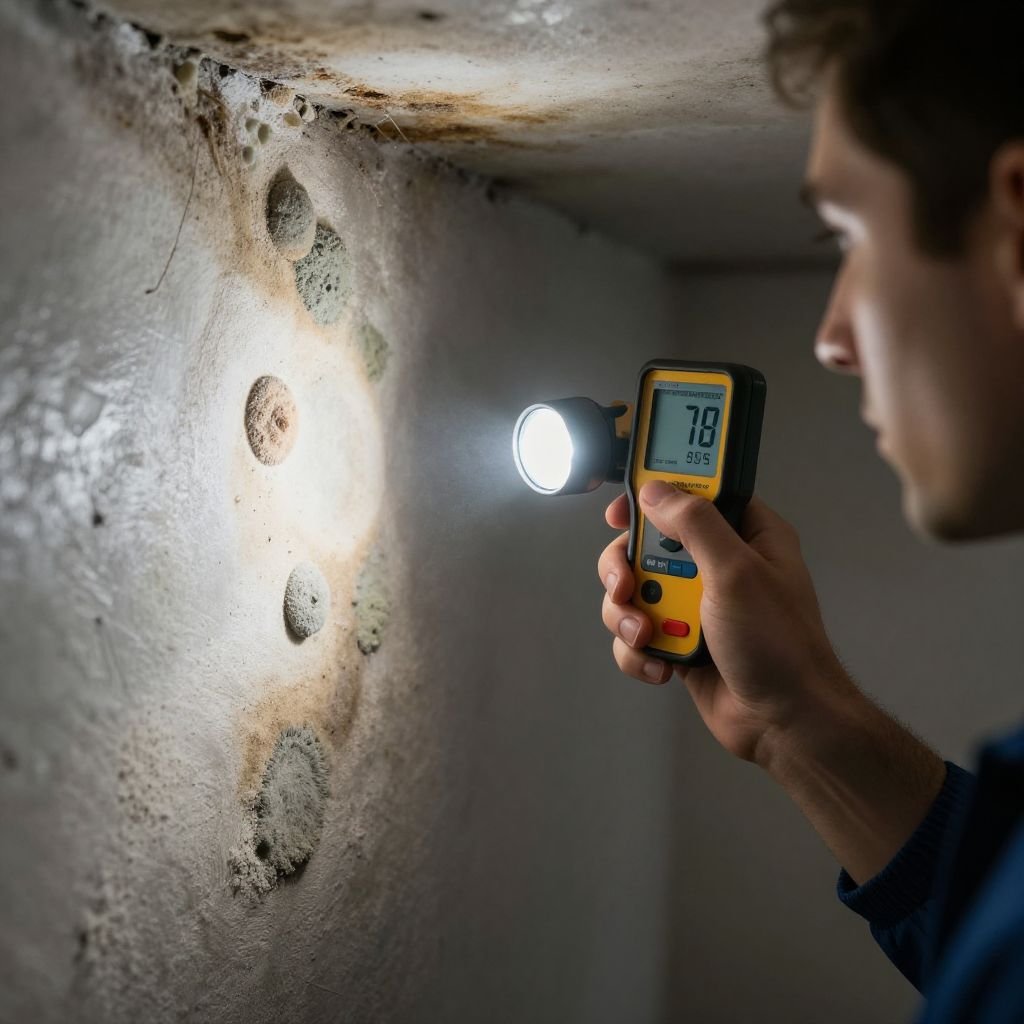
Technicians begin with moisture mapping and air quality sampling to identify contamination extent. In Spanish Fork homes, this often reveals hidden growth behind basement drywall, beneath bathroom tile, or within HVAC systems circulated by forced-air heating common in Utah County.
Containment and Air Filtration
Physical barriers with negative air pressure prevent spore migration during removal. HEPA filtration runs continuously throughout the project.
Removal and Cleaning
Porous materials with deep mold infiltration require disposal. Non-porous surfaces undergo abrasive cleaning with antimicrobial treatments. The goal is removing active growth, not simply killing it—dead mold still triggers allergic responses.
Drying and Restoration
Industrial dehumidification brings moisture levels below 60% relative humidity, the threshold where mold regenerates. Restoration returns the space to pre-loss condition.
Typical Spanish Fork residential projects range from 3–7 days for contained areas, with whole-home remediation extending longer depending on square footage and structural complexity.
Available Mold Remediation Services
Spanish Fork residents can access comprehensive remediation solutions tailored to local conditions:
Basement & Crawl Space Remediation
Specialized treatment for below-grade spaces prone to seepage from Spanish Fork's clay-heavy soils and spring runoff.
Attic Mold Removal
Addresses condensation from temperature differentials and inadequate ventilation in both vintage and modern construction.
Water Damage Restoration
Emergency extraction and structural drying to prevent secondary mold growth after leaks, pipe bursts, or weather events.
Air Quality Testing
Third-party laboratory analysis of spore counts and species identification to verify remediation success.
Commercial Remediation
Scalable containment and restoration for retail, office, and industrial properties along State Street and the Spanish Fork business corridor.
Preventative Moisture Control
Vapor barrier installation, drainage improvements, and humidity management systems for long-term protection.
Frequently Asked Questions About Mold Remediation in Spanish Fork
How does Spanish Fork's climate affect mold growth?
Despite low annual precipitation, Spanish Fork experiences significant mold risk from irrigation runoff, basement seepage, and rapid temperature swings that create condensation. Summer monsoons and spring snowmelt also contribute to periodic moisture spikes.
Is mold remediation covered by homeowners insurance in Utah?
Coverage depends on the moisture source. Sudden, accidental water damage typically qualifies; gradual leaks or maintenance-related issues usually don't. Review your policy's fungi exclusion clause and consider supplemental environmental coverage for comprehensive protection.
Can I perform mold removal myself?
DIY treatment is only advisable for contamination under 10 square feet on non-porous surfaces. Larger areas, HVAC involvement, or species like Stachybotrys require professional containment and respiratory protection. Improper handling often worsens contamination by dispersing spores.
How do I prevent mold recurrence after remediation?
Maintain indoor humidity between 30–50%, promptly repair leaks, ensure bathroom and kitchen ventilation, and consider dehumidifiers for chronically damp spaces. Annual inspections of previously affected areas catch early regrowth before it spreads.