

How to Choose a Mold Remediation Professional in Quincy
Finding the right mold remediation specialist in Quincy requires understanding both local conditions and professional qualifications. Quincy's coastal location along Massachusetts Bay creates unique moisture challenges—salt air, higher humidity, and older housing stock combine to make mold a persistent concern throughout Suffolk County.
When evaluating contractors, prioritize IICRC certification (Institute of Inspection, Cleaning and Restoration Certification) and licensure through the Massachusetts Division of Occupational Licensure. These credentials ensure technicians follow established protocols for containment, removal, and prevention. Ask specifically about experience with Quincy's architectural diversity—from historic homes in Wollaston to newer developments near Marina Bay—since remediation approaches vary significantly by building age and materials.
Request proof of general liability and pollution liability insurance. Mold work carries inherent risks; adequate coverage protects your property during the remediation process. Verify that estimates include detailed scope-of-work documentation, not just square-foot pricing. Reputable Quincy contractors will conduct thorough moisture mapping using thermal imaging and provide written protocols before beginning any demolition.
Local knowledge matters. Professionals familiar with Quincy's building department requirements can expedite permitting when structural repairs follow remediation. They'll also understand seasonal patterns—nor'easter moisture intrusion, summer humidity spikes—that inform prevention strategies tailored to your neighborhood's microclimate.
What to Expect from Mold Remediation Services in Quincy
Professional mold remediation follows a systematic process designed to eliminate current growth and prevent recurrence. Understanding this workflow helps you prepare your Quincy property and set realistic timelines.
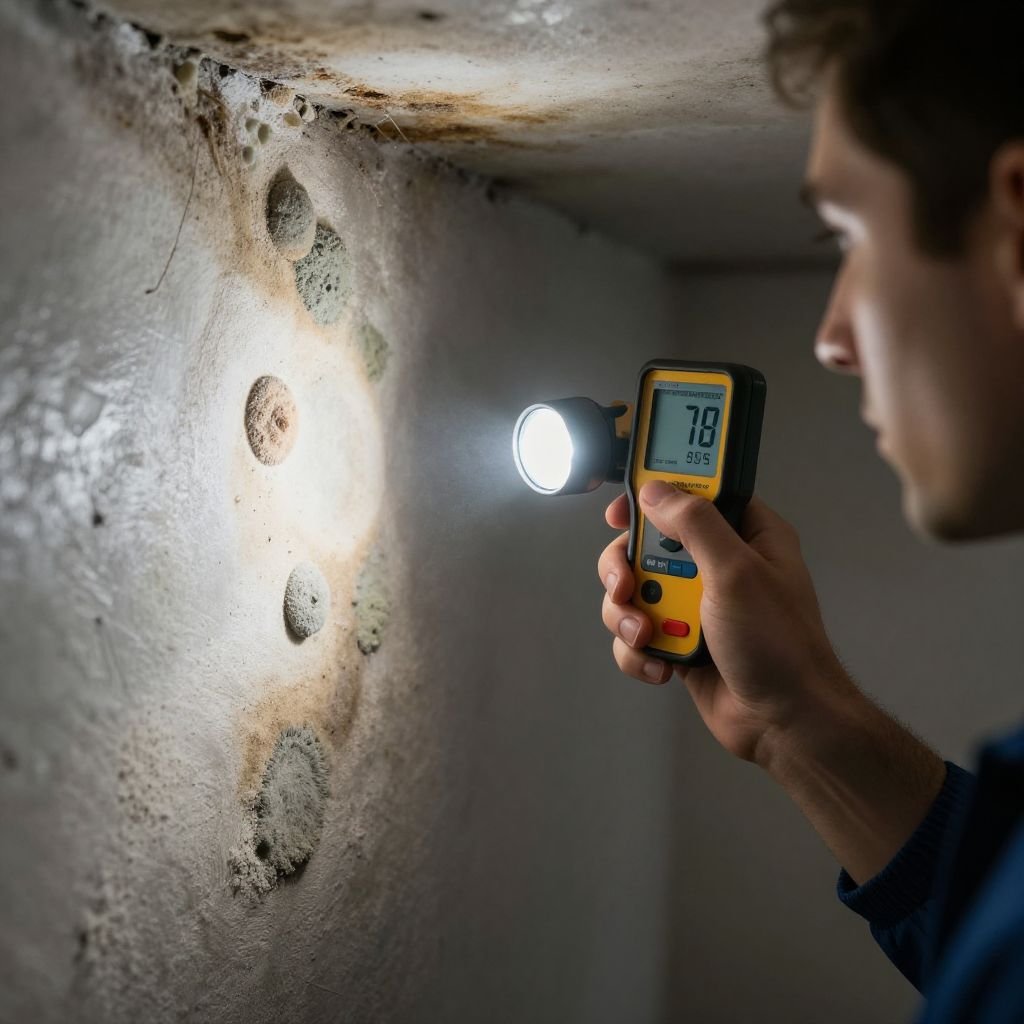
Assessment and inspection come first. Technicians use moisture meters, thermal cameras, and air sampling to identify mold sources, affected materials, and hidden colonies within wall cavities or HVAC systems. In Quincy's older homes, this often reveals deteriorated pointing, compromised window flashing, or inadequate ventilation in basement and attic spaces.
Containment prevents cross-contamination. Heavy-duty polyethylene sheeting creates sealed work zones with negative air pressure maintained by HEPA-filtered machines. This engineering control is especially critical in Quincy's compact neighborhoods where attached housing and shared ventilation systems increase spread risk.
Removal and cleaning follows industry standards. Porous materials like drywall, insulation, and carpet typically require disposal; non-porous surfaces undergo HEPA vacuuming and antimicrobial treatment. The emphasis shifts to structural drying using commercial dehumidifiers and air movers, often running 3-5 days until moisture readings normalize.
Final clearance testing by an independent third party confirms remediation success before reconstruction begins. Most Quincy projects conclude with preventive recommendations—improved exhaust ventilation, dehumidification systems, or drainage corrections—to address underlying moisture drivers.
Available Mold Remediation Services
Quincy residents and property managers can access comprehensive remediation solutions addressing diverse contamination scenarios:
- Residential mold remediation — Whole-home assessment and targeted removal for single-family homes, condominiums, and apartments throughout Quincy's neighborhoods
- Commercial mold remediation — Discreet, after-hours service for offices, retail spaces, restaurants, and healthcare facilities minimizing business interruption
- Basement and crawl space remediation — Specialized protocols for below-grade moisture problems common in Quincy's hilly terrain with high water tables
- Attic mold removal — Addressing ventilation failures, ice dam aftermath, and roof leak damage prevalent in older Suffolk County housing
- HVAC and duct cleaning — Eliminating mold from forced-air systems that can distribute spores throughout entire buildings
- Water damage restoration — Emergency extraction and drying services preventing mold colonization after flooding, pipe bursts, or appliance failures
- Post-remediation reconstruction — Licensed repair services restoring walls, flooring, and finishes to pre-loss condition
Many providers offer 24/7 emergency response for active water intrusions, particularly valuable during Quincy's harsh winter months when frozen pipes and ice damming create urgent situations requiring immediate intervention.
Frequently Asked Questions
How long does professional mold remediation typically take in Quincy homes?
Most residential projects require 3-7 days from containment setup to clearance testing. Duration depends on contamination extent, materials affected, and drying time needed. Extensive basement flooding or HVAC system involvement may extend timelines to two weeks. Your contractor should provide a detailed schedule during the initial assessment.
Does homeowners insurance cover mold remediation in Massachusetts?
Coverage varies significantly by policy. Standard HO-3 policies typically exclude mold unless caused by a covered peril—sudden pipe rupture, for example, but not long-term leakage. Some insurers offer limited mold endorsements. Document damage promptly and contact your carrier before beginning work. Professional remediation companies in Quincy can assist with claims documentation.
Is mold testing required before or after remediation?
Massachusetts does not mandate testing, but professional standards recommend it. Pre-remediation testing establishes contamination baseline and identifies species; post-remediation clearance testing verifies successful restoration of normal fungal ecology. Independent third-party testing avoids conflict of interest. For real estate transactions in Quincy's competitive market, documentation often satisfies buyer concerns.
Can I perform mold cleanup myself in my Quincy property?
DIY approaches are appropriate only for very limited growth (less than 10 square feet) on non-porous surfaces with known moisture source now eliminated. Larger areas, HVAC involvement, hidden mold, or occupants with respiratory conditions warrant professional intervention. Improper handling risks spreading contamination and personal exposure. Quincy's older homes frequently conceal extensive damage behind intact surfaces.