

Common Mold Remediation Problems in Mount Pleasant
Mount Pleasant homeowners face distinct mold challenges shaped by southeastern Wisconsin's climate and the village's rapid development. Located between Lake Michigan and the Root River watershed, properties here contend with elevated humidity levels that persist through spring and summer, creating ideal conditions for mold colonization.
Basement moisture intrusion ranks among the most frequent complaints. Many Mount Pleasant homes, particularly those in older neighborhoods near Old Green Bay Road or the historic village center, feature foundations that predate modern waterproofing standards. Seasonal groundwater fluctuations and the area's clay-heavy soils drive hydrostatic pressure against basement walls, resulting in seepage that goes unnoticed until musty odors or visible growth appear.
Post-construction mold has emerged as a growing concern as Mount Pleasant experiences significant residential and commercial expansion. New builds in developments near Meachem Road and the Foxconn area sometimes develop mold during the "sweat" period—when fresh concrete and lumber release moisture into tightly sealed structures. Improperly ventilated crawl spaces and attic assemblies compound these issues.
Lake effect humidity distinguishes Mount Pleasant from inland Racine County communities. Proximity to Lake Michigan moderates temperatures but sustains higher relative humidity, particularly during temperature inversions. Homes without adequate dehumidification or HVAC systems sized for coastal Wisconsin conditions frequently develop condensation on cool surfaces—window frames, ductwork, and exterior wall cavities—where mold establishes within 48 hours.
Seasonal flooding aftermath from the Root River and its tributaries affects properties in low-lying areas. Even minor inundation events leave behind saturated drywall, insulation, and subflooring that conventional drying cannot salvage without professional intervention.
How We Help Mount Pleasant Homeowners
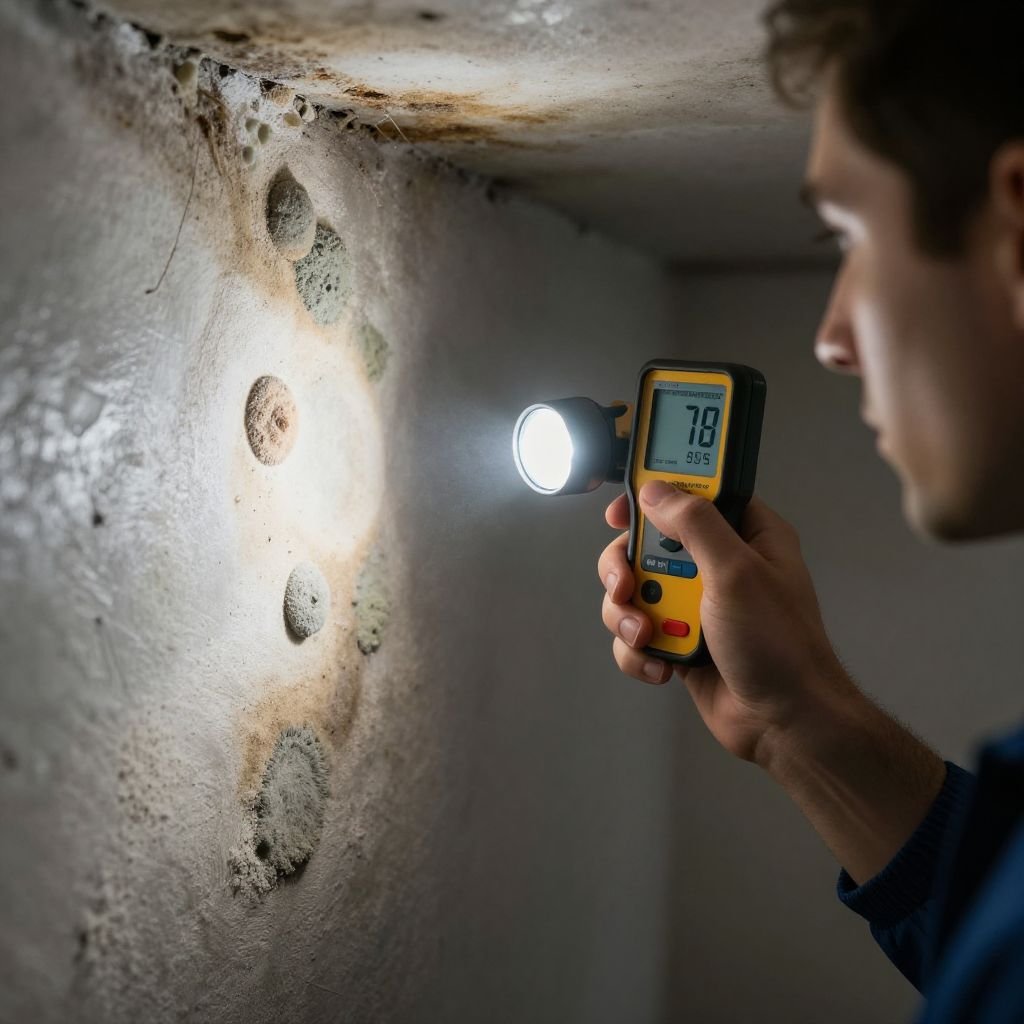
Effective mold remediation in Mount Pleasant requires understanding both the science of fungal growth and the local conditions that sustain it. Our approach begins with comprehensive moisture mapping using thermal imaging and hygrometric testing to identify hidden water sources—leaks inside walls, capillary wicking through foundations, or vapor drive from crawl spaces.
Containment protocols prevent cross-contamination during remediation, critical in Mount Pleasant's modern energy-efficient homes where air circulation patterns differ from older construction. Negative air pressure systems and HEPA filtration protect unaffected areas while removal and cleaning proceed.
We coordinate directly with homeowners' insurance providers familiar with Racine County properties, documenting damage thoroughly to support claims. For residents in Mount Pleasant's expanding commercial and mixed-use corridors, we minimize business disruption through phased remediation scheduling and after-hours availability.
Post-remediation, we provide moisture management recommendations specific to your property's construction era and site conditions—whether that means sump pump upgrades, crawl space encapsulation, or ventilation improvements calibrated to southeastern Wisconsin's humid summers.
Mold Remediation Services Available in Mount Pleasant
Our complete service portfolio addresses every stage of mold-related property damage:
- Inspection and Air Quality Testing — Certified mold assessment with laboratory analysis to identify species and concentration levels, distinguishing between common indoor molds and potentially toxigenic varieties requiring specialized protocols.
- Containment and Removal — Physical isolation of affected areas followed by removal of contaminated porous materials (drywall, insulation, carpeting) and HEPA vacuuming of non-porous surfaces.
- Structural Drying and Dehumidification — Industrial-grade desiccant and refrigerant dehumidifiers with continuous monitoring to achieve and document moisture content levels below mold-supporting thresholds.
- Antimicrobial Treatment — EPA-registered biocide application to remaining structural elements, followed by encapsulation where appropriate to prevent recurrence.
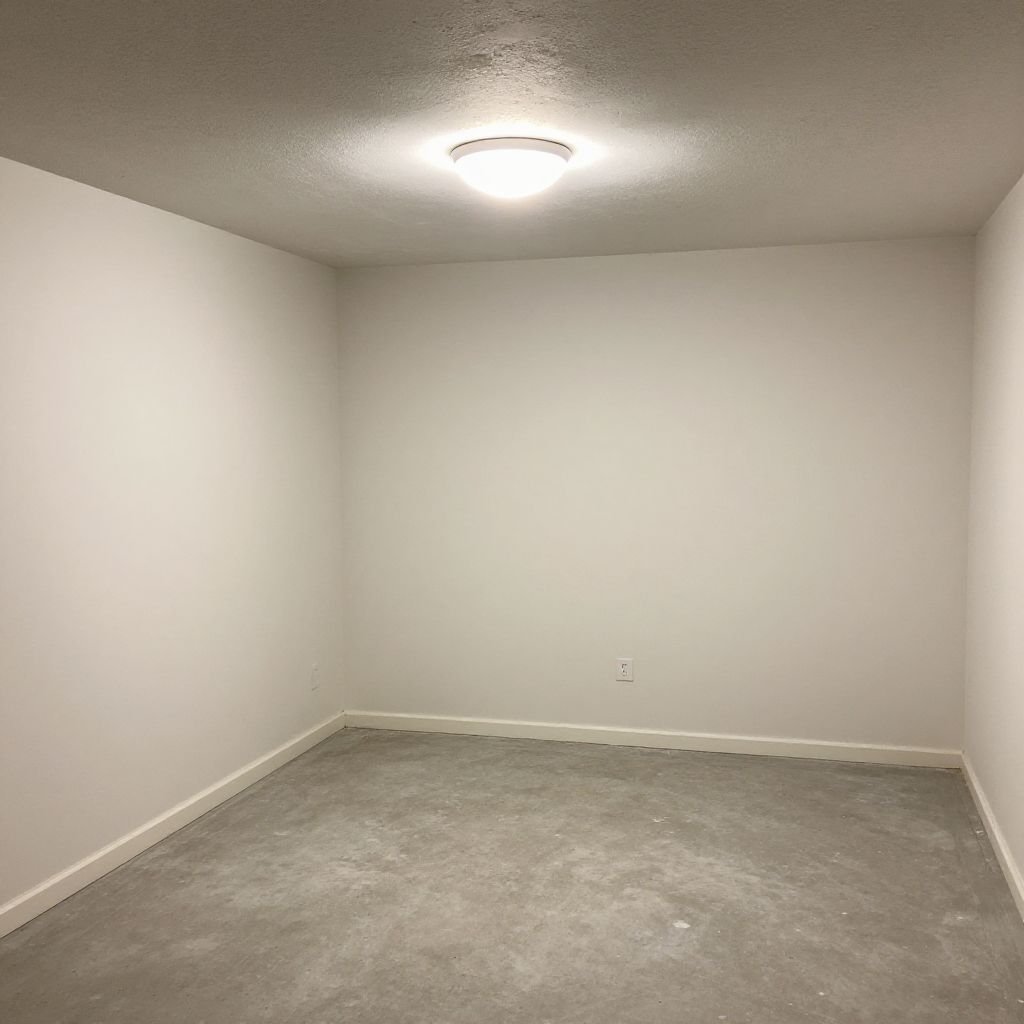
- Restoration and Reconstruction — Full rebuild services including drywall installation, flooring replacement, and finish carpentry to return spaces to pre-loss condition.
- Preventive Consultation — Customized moisture control plans addressing your property's specific vulnerabilities, from foundation drainage improvements to HVAC humidity management.
Mold Remediation Pricing in the Mount Pleasant Area
Remediation costs in Mount Pleasant vary considerably based on contamination extent, affected materials, and underlying moisture source complexity. Understanding typical ranges helps homeowners budget appropriately and evaluate quotes.
Minor localized growth—single bathroom, small closet, or isolated ceiling patch—typically falls between $1,500 and $3,500. These projects involve limited containment, minimal material removal, and straightforward source correction like exhaust fan installation or grout sealing.
Moderate contamination affecting multiple rooms, finished basements, or crawl spaces generally ranges from $3,500 to $8,000. Scope expands to include comprehensive containment systems, significant drywall or insulation removal, and mechanical dehumidification over several days.
Extensive whole-house situations—often following undetected long-term leaks, flooding events, or severe HVAC contamination—can exceed $10,000. These projects demand full containment infrastructure, extensive reconstruction, and sometimes temporary relocation during intensive remediation phases.
Air quality testing adds $300–$600 for standard spore trap analysis; ERMI/MSQPCR dust analysis runs higher but provides more comprehensive fungal profiling. Many homeowners initially invest in inspection-only services to scope problems before committing to full remediation.
Insurance coverage varies: sudden water damage with subsequent mold typically falls under standard policies, while long-term maintenance-related mold growth may be excluded. We provide detailed documentation to support coverage determinations and can structure phased work for budget-conscious homeowners.
Frequently Asked Questions
How quickly can mold become a serious problem in Mount Pleasant homes?
Given southeastern Wisconsin's humidity, mold can establish visible colonies within 48–72 hours of moisture introduction. However, serious structural damage and indoor air quality degradation typically develop over weeks to months of unchecked growth. Prompt response to water intrusion dramatically limits remediation scope and cost.
Will mold return after professional remediation?
Recurrence depends entirely on whether underlying moisture sources are resolved. Our Mount Pleasant projects include source identification and correction recommendations. Without addressing root causes—foundation leaks, inadequate ventilation, or plumbing failures—mold will inevitably return regardless of remediation quality.
Is mold in my Mount Pleasant basement dangerous to my family's health?
Health effects vary by individual sensitivity, mold species, and exposure duration. Common indoor molds trigger allergic responses, respiratory irritation, and asthma exacerbation in susceptible individuals. Certain species produce mycotoxins requiring specialized handling. Professional testing clarifies what you're dealing with and appropriate protective measures.
Do you handle permits for mold remediation in Mount Pleasant?
Mount Pleasant follows Racine County and Wisconsin DHS guidelines for mold remediation. While standalone mold projects typically don't require permits, associated reconstruction (electrical, plumbing, structural modifications) may. We coordinate all necessary permitting and ensure work meets applicable building codes and IICRC restoration standards.