

Mold Remediation Services in Longwood, FL
Longwood's subtropical climate and frequent afternoon thunderstorms create ideal conditions for mold growth throughout Orange County. Homes near the Wekiva River basin and neighborhoods with mature tree canopies face elevated humidity levels that can trigger hidden infestations behind walls, under flooring, and within HVAC systems.
Our certified technicians provide comprehensive mold assessment and remediation tailored to Longwood's specific environmental challenges. Whether you're dealing with post-hurricane water damage in a historic district property or persistent moisture issues in a newer subdivision, we address both visible colonies and concealed contamination.
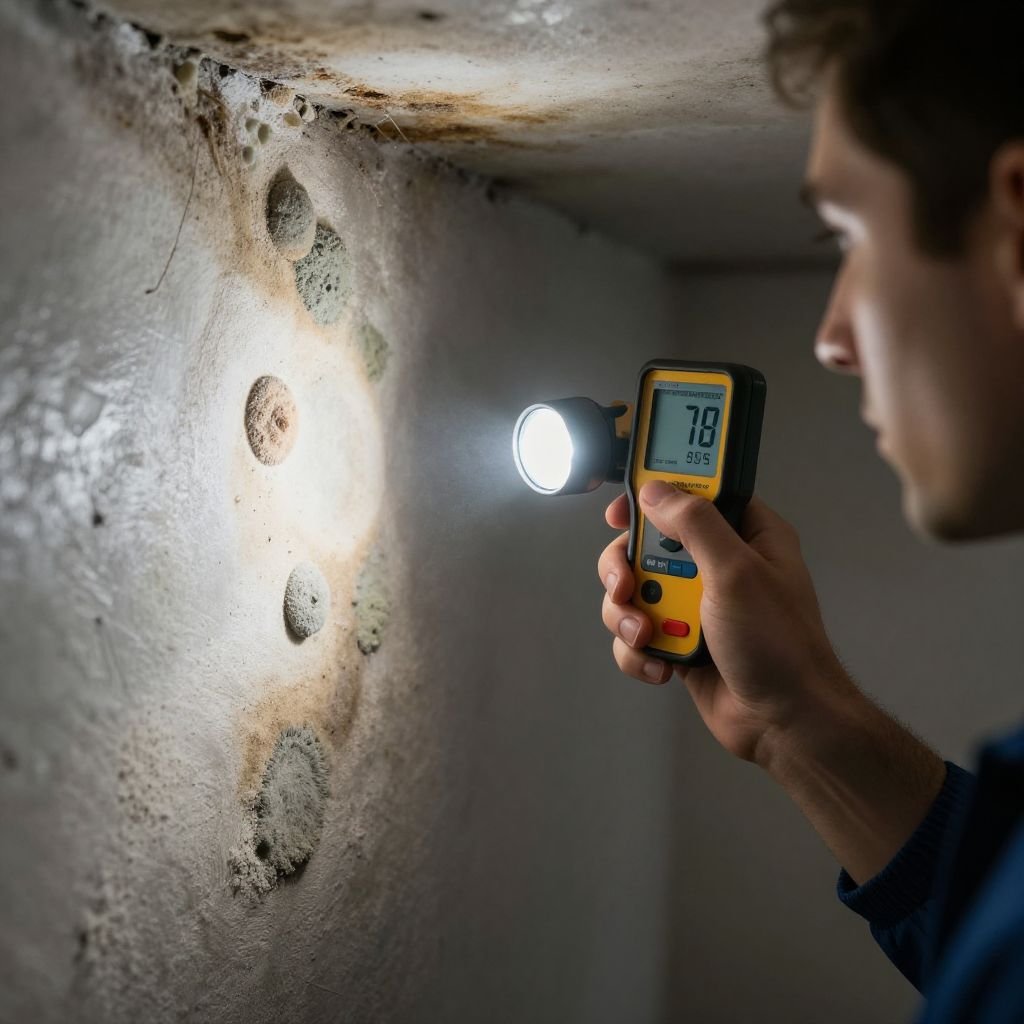
Services include detailed moisture mapping, air quality sampling, containment barrier installation, HEPA filtration, antimicrobial treatment, and structural drying. We coordinate with local Orange County building inspectors when permits are required for extensive remediation projects.
Frequently Asked Questions About Mold Remediation in Longwood
How quickly does mold spread after water damage in Longwood homes?
In Longwood's warm, humid climate, mold can begin colonizing within 24 to 48 hours of water intrusion. Properties near Wekiva Springs or within flood-prone zones should prioritize immediate water extraction. Our emergency response teams are available to begin mitigation before spores establish extensive networks in drywall, insulation, and subflooring.
Will mold remediation disrupt my daily routine?
Containment strategies minimize disruption, though severe infestations may require temporary relocation of affected areas. We establish negative air pressure barriers and work zone segregation to protect livable spaces. Most Longwood residential projects conclude within 3–7 days, with larger commercial or whole-home cases extending based on square footage and contamination depth.
Does homeowners insurance cover mold removal in Orange County?
Coverage varies by policy and causation. Sudden, accidental water damage typically qualifies, while gradual moisture buildup may not. We document all damage photography, moisture readings, and remediation protocols to support your claim submission. Our team has worked with numerous Longwood policyholders navigating Florida-specific insurance requirements.
Longwood-Specific Mold Challenges
Historic properties along Church Avenue and Randall Street require specialized approaches to preserve original plaster and hardwood while eliminating mold. These structures often lack modern vapor barriers, allowing ground moisture to wick upward through crawl spaces.
Newer developments near Longwood Hills and Sabal Point contend with construction moisture trapped in tightly sealed building envelopes. Post-construction mold discovered during pre-purchase inspections demands targeted remediation before closing.
The city's abundant oak canopy and pine forests contribute significant organic debris to gutters and drainage systems. Clogged water management infrastructure frequently causes overflow into soffits and fascia, creating repeated wetting cycles that breed mold in attics.
Our Remediation Approach for Orange County Properties
Every Longwood project begins with infrared thermal imaging to identify moisture anomalies invisible to standard inspection. We collect air and surface samples for laboratory analysis when species identification matters—particularly for toxigenic varieties like Stachybotrys or Aspergillus that require enhanced safety protocols.
Remediation follows IICRC S520 standards with Orange County permit compliance when structural materials are removed. Post-remediation verification includes clearance sampling to confirm airborne spore counts have returned to acceptable levels before reconstruction begins.