

How to Choose a Mold Remediation Professional in Lake Forest
Finding qualified mold remediation in Lake Forest requires understanding what separates true professionals from general contractors. Lake County's climate—humid summers and freeze-thaw cycles—creates unique moisture challenges that demand specialized expertise.
Start with certification verification. Look for IICRC (Institute of Inspection, Cleaning and Restoration Certification) credentials specifically in mold remediation. In Lake Forest, where many homes date to the early 20th century and may contain original plaster, lath, and balloon framing, technicians need training in historic building remediation techniques.
Lake County licensing matters beyond state requirements. Ask whether the company carries Illinois Department of Public Health licensure for mold assessment and remediation. This ensures compliance with state regulations governing containment, disposal, and post-remediation verification.
Request local references specifically from Lake Forest properties. Neighborhoods like East Lake Forest, the historic district near Market Square, and newer developments west of Route 41 each present different construction eras and mold risk profiles. A company familiar with your area's housing stock responds more effectively.
Insurance coverage deserves scrutiny. Verify pollution liability insurance and workers' compensation. Remediation disturbs mold colonies—inadequate coverage shifts liability to homeowners if cross-contamination or worker injury occurs.
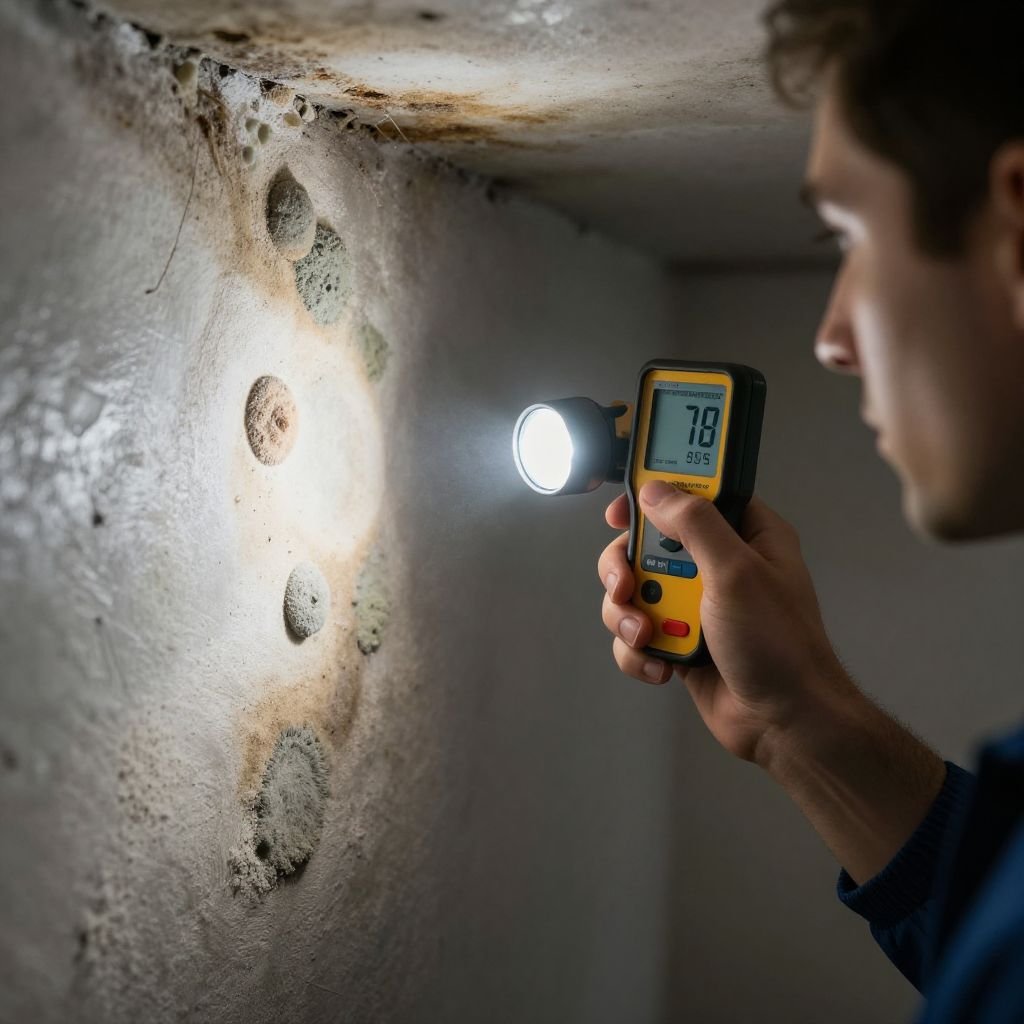
Finally, evaluate their moisture investigation capability. Surface mold signals deeper problems. Quality providers use thermal imaging and moisture meters to identify sources rather than treating symptoms alone.
What to Expect from Mold Remediation Services in Lake Forest
Understanding the mold remediation process helps Lake Forest homeowners prepare and evaluate service quality. Professional remediation follows established protocols adapted to your property's specific conditions.
Initial assessment begins with containment planning. Technicians establish negative air pressure barriers to prevent spore migration through Lake Forest homes' often interconnected HVAC systems—particularly important in homes with original ductwork or shared mechanical spaces.
Air and surface sampling may follow, especially for insurance documentation or when health concerns exist. In Lake County, where seasonal basement flooding affects properties near the Des Plaines River watershed or with high water tables, testing helps establish baseline contamination levels.
Remediation execution removes compromised materials following EPA and IICRC standards. Porous materials like drywall, insulation, and carpeting typically require disposal. Non-porous surfaces undergo HEPA vacuuming and antimicrobial treatment. For Lake Forest's many finished basements—common mold locations due to foundation seepage—this often means partial gutting and reconstruction planning.
Structural drying follows removal. Industrial dehumidifiers and air movers reduce moisture content to levels preventing regrowth. In Lake Forest's older homes with stone foundations or limited vapor barriers, this phase may extend longer than in newer construction.
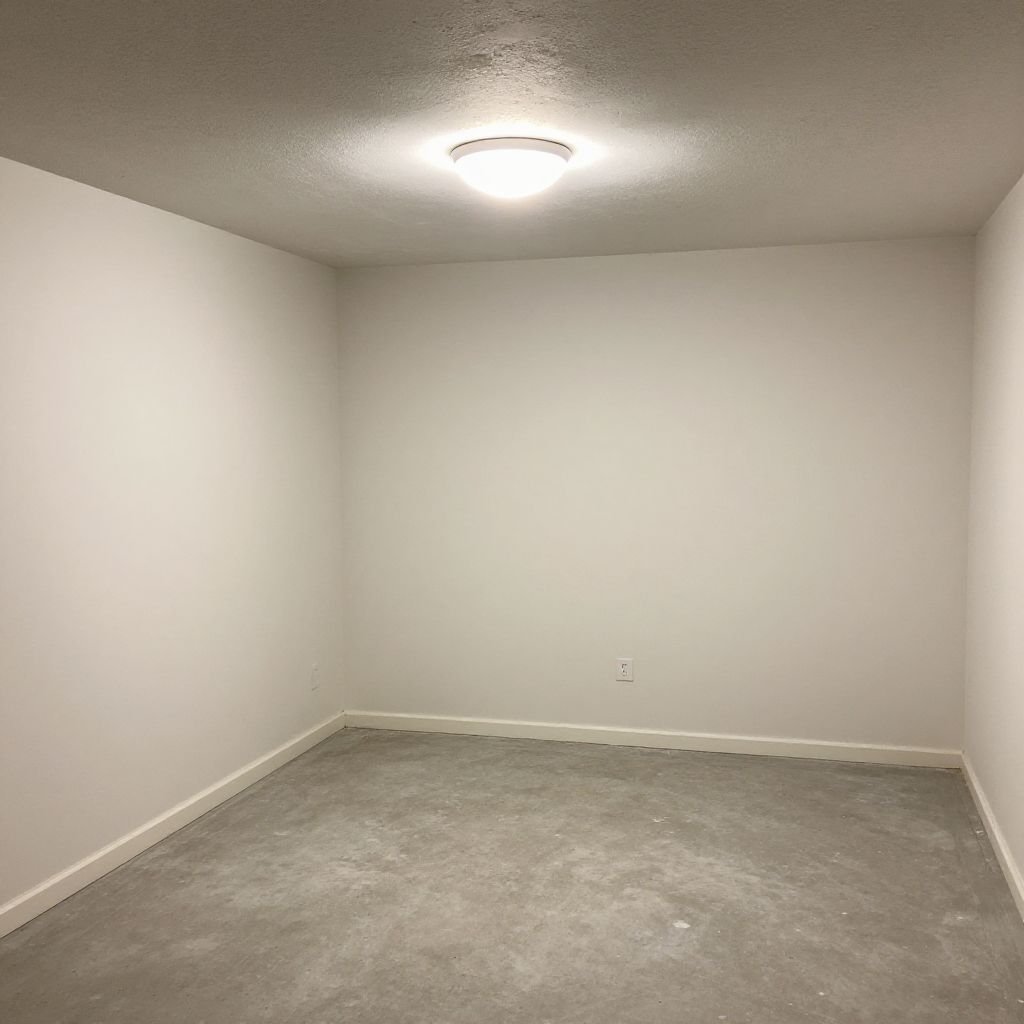
Post-remediation verification confirms success. Visual inspection, moisture readings, and sometimes clearance testing demonstrate effective remediation. Reputable providers in Lake County warranty their work contingent on addressing underlying moisture sources.
Available Mold Remediation Services
Lake Forest residents can access comprehensive mold remediation services scaled to incident severity and property type.
Emergency mold response addresses active water damage situations—burst pipes, sump pump failures, or storm intrusion common during Lake County's severe weather events. Rapid response within 24-48 hours limits colonization spread.
Basement mold remediation targets Lake Forest's most frequent problem area. Services include foundation crack repair coordination, drainage improvement recommendations, and vapor barrier installation alongside mold removal.
Attic mold treatment resolves ventilation-related growth. Poor airflow, inadequate insulation, or bathroom exhaust venting into attic spaces creates condensation conducive to mold. Remediation here often pairs with ventilation upgrades.
Whole-house remediation serves properties with widespread contamination from chronic moisture or deferred maintenance. Lake Forest estate properties and homes undergoing renovation sometimes require this comprehensive approach.
Preventive services include moisture mapping, humidity control system installation, and periodic inspection programs—valuable for waterfront properties near Lake Michigan or properties with known moisture vulnerabilities.
Contents restoration salvages affected personal property through specialized cleaning, ozone treatment, or document recovery when mold compromises valued possessions.
Frequently Asked Questions
How long does mold remediation take in a typical Lake Forest home?
Most residential projects complete in 3-7 days. Duration depends on contamination extent, affected materials, and underlying moisture source complexity. Historic homes with plaster walls may require additional time for careful material removal and drying.
Does homeowners insurance cover mold remediation in Lake County?
Coverage varies by policy and cause. Sudden, accidental water damage typically triggers coverage, while gradual moisture infiltration often does not. Document the water source promptly and contact your insurer immediately. Many Lake Forest homeowners carry supplemental mold coverage given regional risks.
Can I stay in my home during mold remediation?
For contained, limited remediation, remaining may be possible with isolation protocols. Extensive projects or toxic mold species typically require temporary relocation, particularly for sensitive individuals. Your remediation professional should advise based on project scope and health considerations.