

Mold Remediation Services in La Crescent, MN
La Crescent sits nestled between the bluffs of Houston County and the Mississippi River, a location that creates unique moisture challenges for local homeowners. The combination of river valley humidity, spring snowmelt runoff, and seasonal flooding makes mold remediation in La Crescent, Minnesota an essential service for protecting residential and commercial properties throughout the area.
Properties near the riverfront and those tucked into the bluff valleys experience higher baseline humidity levels than homes on higher ground. Basements and crawl spaces in these areas commonly develop condensation issues, particularly during the humid summer months when warm air meets cool foundation walls. Without proper intervention, these conditions foster mold growth that compromises indoor air quality and structural integrity.
Older homes in La Crescent's established neighborhoods present specific remediation considerations. Many feature stone foundations, original plaster walls, or limited ventilation systems that trap moisture. Our technicians understand how to address mold in these vintage structures without causing unnecessary damage to character-defining features.
We provide comprehensive mold assessment, containment, removal, and prevention services tailored to Houston County's climate patterns. From contained bathroom mold to widespread basement infestations following water intrusion, our remediation protocols follow EPA and Minnesota Department of Health guidelines.
Common Mold Problems in La Crescent Homes
The geography of La Crescent contributes to several recurring mold scenarios. Bluff-side properties often deal with groundwater seepage through hillside foundations, especially after heavy rainfall or rapid snowmelt. This moisture typically enters through wall-floor joints, creating ideal conditions for Stachybotrys and other moisture-loving species.
Seasonal flooding along the Mississippi and its backwaters affects low-lying areas, leaving behind water-damaged materials that must be properly dried or replaced. Even properties that avoid direct flood contact can experience elevated humidity for weeks following major water events.
During winter, ice dam formation on roofs with inadequate insulation causes meltwater to back up under shingles and saturate attic spaces. Homeowners often discover mold growth in spring when temperatures rise and odors become apparent. Attic mold in La Crescent frequently requires specialized remediation due to limited access and the presence of blown-in insulation.
Commercial properties along South Walnut Street and the Highway 14 corridor, including restaurants and retail with refrigeration equipment, face additional mold risks from condensate lines and cooler room humidity. We address these specialized environments with containment strategies that minimize business disruption.
Frequently Asked Questions About Mold Remediation in La Crescent
How does La Crescent's location in the Mississippi River valley affect mold risk?
The river valley geography creates a microclimate with higher humidity than surrounding upland areas. Temperature inversions, fog persistence, and limited air circulation in bluff-protected areas all contribute to moisture accumulation in homes. Properties below the bluff line or near sloughs and wetlands experience the most significant effects, often requiring dehumidification systems even in above-grade living spaces.
What should I do if I find mold after spring flooding in Houston County?
Document the damage with photographs before disturbing anything. For areas smaller than ten square feet, you may clean hard surfaces with detergent and water, then dry completely. Porous materials like drywall, carpeting, and insulation that have been wet for more than 24-48 hours typically require removal. For larger affected areas, hidden mold behind walls, or if you have respiratory conditions, professional assessment ensures complete remediation and proper identification of moisture sources.
Are there Minnesota regulations for mold remediation I should know about?
Minnesota does not currently license mold remediation contractors specifically, but reputable providers follow EPA mold remediation guidelines and IICRC standards. Houston County may have building permit requirements for structural repairs following remediation. We coordinate with local officials when permits are needed and provide documentation for insurance claims, including detailed scope of work and clearance testing results.
How can I prevent mold from returning after remediation in my La Crescent home?
Successful prevention addresses the specific moisture drivers at your property. For river valley homes, this typically means maintaining indoor humidity below 60% with dehumidifiers, ensuring proper grading and drainage away from foundations, extending downspouts, and sealing basement wall penetrations. In bluff homes, improving sub-slab drainage and installing vapor barriers in crawl spaces provides lasting protection. We develop site-specific maintenance plans for every completed remediation.
Our Mold Remediation Process for Houston County Properties
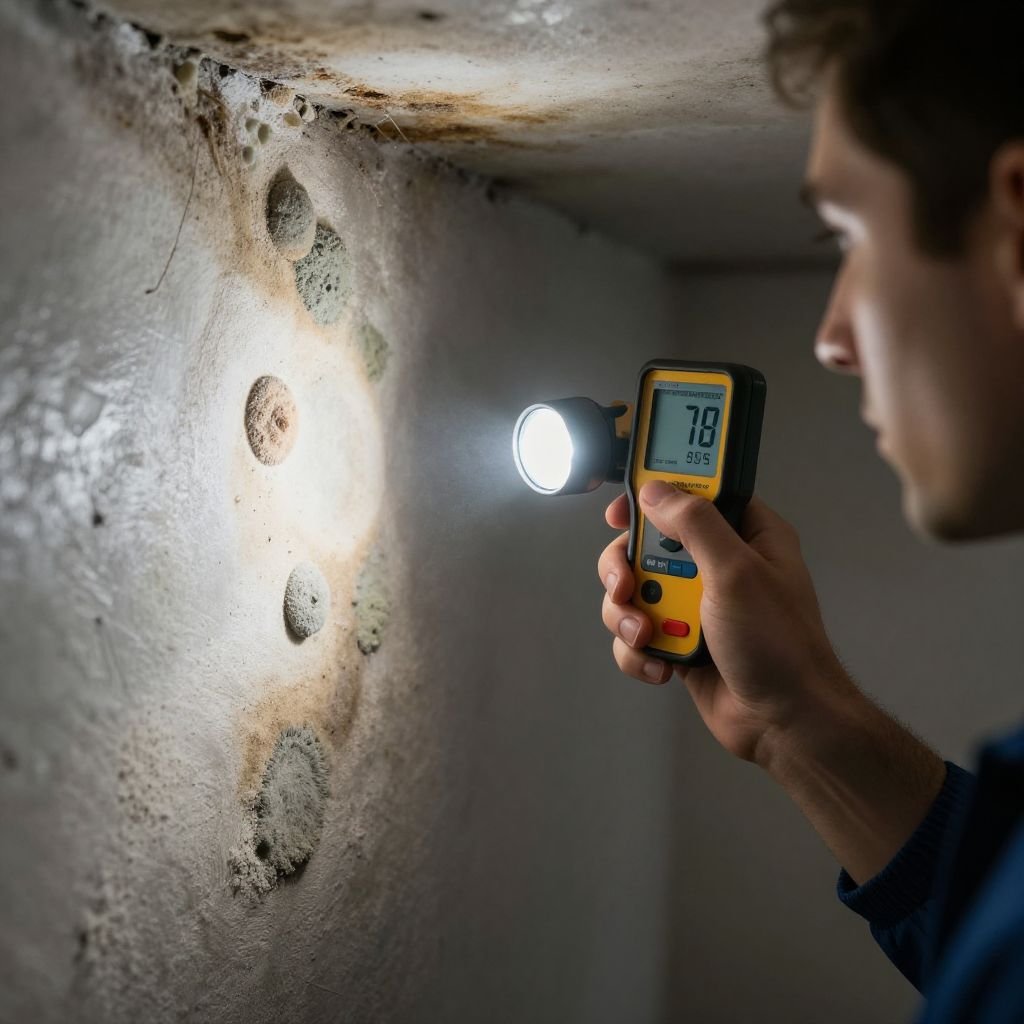
Every mold remediation project in La Crescent begins with thorough moisture mapping and air quality assessment. We identify not just visible mold but underlying water intrusion pathways using thermal imaging and moisture meters calibrated for the materials common in local construction.
Containment procedures account for your home's HVAC configuration, particularly in properties with older duct systems that may distribute spores. Negative air pressure and HEPA filtration protect unaffected areas during removal. We match cleaning and removal techniques to substrate types—salvaging historic plaster where possible, removing deteriorated modern drywall when necessary.
Post-remediation verification includes visual inspection, moisture content verification, and optional air sampling to confirm spore levels have returned to normal background ranges. This documentation supports real estate transactions, insurance claims, and your peace of mind.