

How to Choose a Mold Remediation Professional in Harker Heights
Finding the right mold remediation specialist in Harker Heights means looking beyond basic cleanup credentials. Bell County's unique climate—hot, humid summers and occasional flooding from nearby Stillhouse Hollow Lake—creates conditions where mold thrives in crawl spaces, attics, and behind walls.
Start by verifying Texas state licensing requirements. Any contractor handling mold assessment or remediation must hold proper certification through the Texas Department of Licensing and Regulation. Ask for proof of liability insurance specific to mold work, as standard general liability often excludes microbial contamination claims.
Local experience matters in Harker Heights. Professionals familiar with Bell County building codes and common construction styles in neighborhoods like Mountain View and Skipcha Mountain understand where moisture problems typically develop. They should offer containment protocols that prevent cross-contamination during removal, not simply spray-and-wipe treatments.
Request written documentation of their remediation plan before work begins. Reputable companies explain their moisture source identification process, testing methodology, and post-remediation verification procedures. Be wary of anyone guaranteeing complete mold elimination—responsible professionals commit to returning affected areas to normal fungal ecology levels.
What to Expect from Mold Remediation Services in Harker Heights
Professional mold remediation follows a structured protocol designed to protect occupants and prevent recurrence. Understanding this process helps Harker Heights homeowners set realistic expectations.
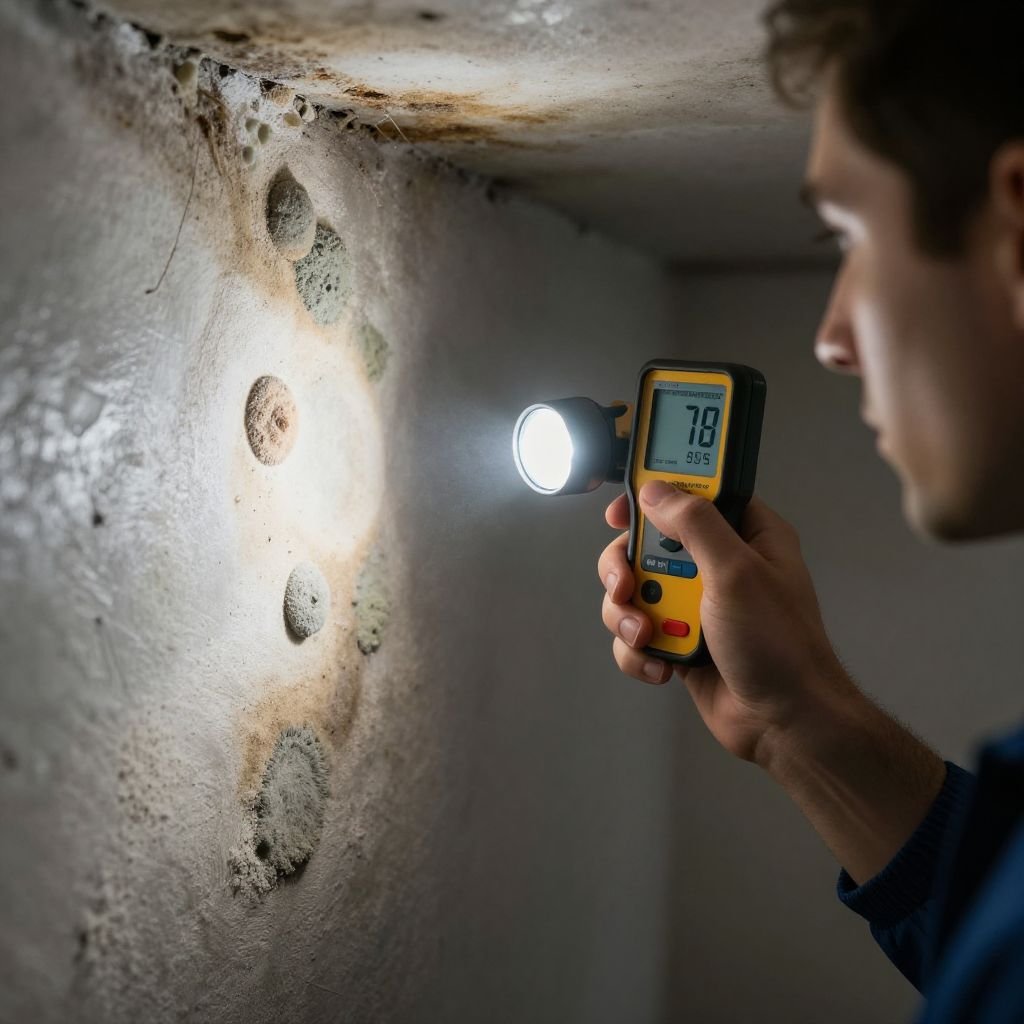
Initial Assessment: Technicians inspect visible growth, measure moisture content in building materials, and may collect air or surface samples for laboratory analysis. This determines contamination extent and species identification.
Containment Setup: Affected areas get sealed with polyethylene sheeting and negative air pressure systems. This prevents spore migration to clean areas of your home—critical in Harker Heights' tightly sealed modern constructions where HVAC systems can distribute contaminants rapidly.
Material Removal: Porous materials like drywall, insulation, and carpet showing significant growth require disposal according to Texas waste regulations. Non-porous surfaces undergo HEPA vacuuming and antimicrobial treatment.
Drying and Dehumidification: Industrial equipment runs continuously until moisture levels normalize. In Bell County's humidity, this phase often extends 48-72 hours.
Restoration and Prevention: After clearance testing, contractors repair or replace removed materials and address underlying moisture sources—whether foundation cracks, roof leaks, or inadequate ventilation.
Available Mold Remediation Services
Harker Heights residents can access comprehensive mold solutions tailored to residential and commercial properties throughout Bell County.
- Residential Mold Remediation: Whole-home assessments, attic and crawl space treatment, bathroom and kitchen mold removal, post-flooding restoration
- Commercial Mold Services: Office buildings, retail spaces, military housing complexes, property management portfolios
- Emergency Water Damage Response: 24/7 extraction and drying to prevent secondary mold growth after pipe bursts, appliance failures, or storm damage
- Hidden Mold Detection: Infrared thermal imaging, moisture mapping, and cavity inspection for suspected concealed contamination
- Post-Remediation Verification: Independent third-party air quality testing and clearance documentation for real estate transactions or insurance requirements
- Preventive Moisture Control: Vapor barrier installation, ventilation improvements, dehumidification system recommendations
Many Harker Heights properties built during the 2000s-2010s construction boom now show signs of deferred maintenance issues. Early intervention typically costs significantly less than extensive structural remediation required when problems spread unchecked.
Frequently Asked Questions
How does Harker Heights' climate affect mold growth?
Bell County's combination of high humidity, warm temperatures, and limestone-heavy soils creates persistent moisture conditions. Homes near Stillhouse Hollow Lake or with poor drainage see accelerated mold development, particularly in basements and crawl spaces where groundwater infiltration occurs.
Will my homeowner's insurance cover mold remediation in Harker Heights?
Coverage varies significantly by policy. Most standard Texas homeowners policies cover mold damage only when directly caused by a covered peril—sudden pipe breaks, for example. Gradual leaks, poor maintenance, or flooding typically require separate flood insurance or endorsements. Document everything and contact your insurer promptly.
How long does professional mold remediation take?
Containment and removal of localized growth (under 10 square feet) may complete in 1-2 days. Whole-house remediation involving HVAC contamination or extensive structural damage typically requires 5-10 business days. Drying times depend heavily on current weather conditions and cannot be rushed without risking recurrence.
Can I stay in my home during mold remediation?
For contained, limited areas, residents often remain with sealed HVAC returns and restricted access protocols. Larger projects or toxic species like Stachybotrys generally require temporary relocation. Your contractor should specify this during the assessment phase based on contamination scope and occupant health factors.
What prevents mold from returning after remediation?
Lasting results require eliminating moisture sources, not just visible growth. This means repairing leaks, improving ventilation in bathrooms and kitchens, maintaining indoor humidity below 60%, and ensuring proper grading around your Harker Heights foundation. Annual inspections of previously affected areas catch problems early.